
|
 For Education Leaders
The Stigma Gap: Why Adults and Young People Aren’t Talking About the Same Thing  Adults play a distinct and powerful role in the stigmatisation of young people. We can no longer focus solely on changing peer norms while leaving adult-run systems untouched. At present, there are no dedicated interventions that target adult stigmatisation of youth, no campaigns, no training packages, no sector-wide efforts. That is a gap we can fix. Students Achieve Global Robotics Recognition  Auckland computer science teacher, Mehwish Hasan, says that the kids she teaches at ACG Sunderland in Auckland often surprise her on the upside with the ideas and capabilities they display when given the opportunity. An Electric Future Awaits  When we talk about energy jobs, we are mostly talking about the core energy trades: electricians, air conditioning and refrigeration mechanics, and lineworkers who build and maintain power distribution and transmission networks. No single “type” of person suits the energy trades. Why Wearable Technology is Creating New Risks for Schools 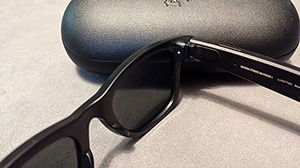 As wearable technology becomes increasingly embedded in everyday life, schools are now facing a new challenge: how to manage smart devices that are smaller, less visible, and potentially more intrusive than mobile phones. Children who Understand Climate Change are Better Equipped to Adapt  A systematic review of 1953 peer-reviewed publications found 20 school-based programs addressing climate change and mental health found no evidence that climate education causes adverse mental health outcomes. Studies showed either no change or improvement. Programs connecting students to nature, embedding First Nations cultural knowledge, supporting meaning-based coping, and running over longer periods produced the best outcomes. Read more Program Keeps Girls in Sport  The evidence-based education program Bodies, Bias and Belonging equips girls, and the adults who support them, with the knowledge and tools to navigate puberty, build confidence, and stay active and engaged in sport during the years they are most likely to drop out. |

|