
|
 For Education Leaders
The Architecture of a High-Trust School - Trust as a System, not a Vibe  Trust is not merely a cultural aspiration. It is an operational advantage. Trust creates a school environment where people feel psychologically safer, more connected, and more willing to contribute fully. High-trust schools generally communicate better, adapt faster, solve problems earlier, and sustain healthier levels of staff engagement. They reduce friction, hesitation, and emotional exhaustion. In increasingly complex educational environments, trust becomes one of the most important forms of organisational capital a school can build. The question for leaders is not whether trust matters. Most already know it does. Read more Professional Learning Only Matters if Teachers can Use it 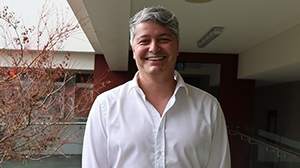 Teachers regularly leave professional development feeling inspired and equipped with new ideas. 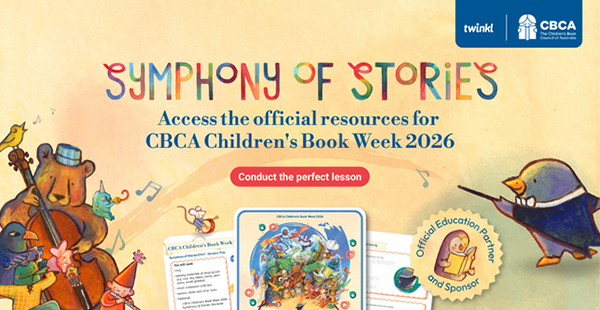 Gifted Education is a Gap in Teacher Training  A lack of specialised training in gifted education leaves many teachers ill-equipped to identify and cater for gifted students. The Power of Literacy: Twinkl Partners with CBCA for Children’s Book Week 2026  In classrooms and early learning settings across Australia, few events match the sheer excitement, vibrant energy, and educational impact of the Children’s Book Council of Australia (CBCA) Book Week. It is a spectacular national celebration that transforms school communities, sparks lifelong reading habits, and unites educators, families and children in a shared love for Australian literature. Building the Spaces in Between 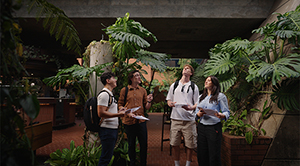 Spaces in between buildings, parks, a pleasant riverside walkway, public, liminal spaces that you transition through, often without noticing the intention and skill that they have been developed with, this is where landscape architects ply their trade. The Future-Proof Student: Evidence-Based Strategies for Developing Resilience, Agency and Continuity in Australian Schools  The task of contemporary schooling extends beyond transmission of curriculum content; it encompasses preparing young people to navigate uncertainty with cognitive agility and emotional regulation. In Australia, this imperative is given urgency by convergent data showing persistent mental-health burdens among young people, shifting attendance patterns, and steady increases in overall school enrolments. Indigenous Uni Attendance Needs a Spark 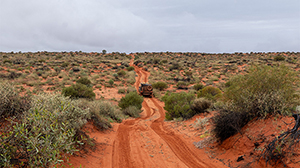 Often an indigenous student will be the first or one of the few in their families to attend university, and it is a wrench as it involves contending with an unfamiliar environment often away from home. |

|